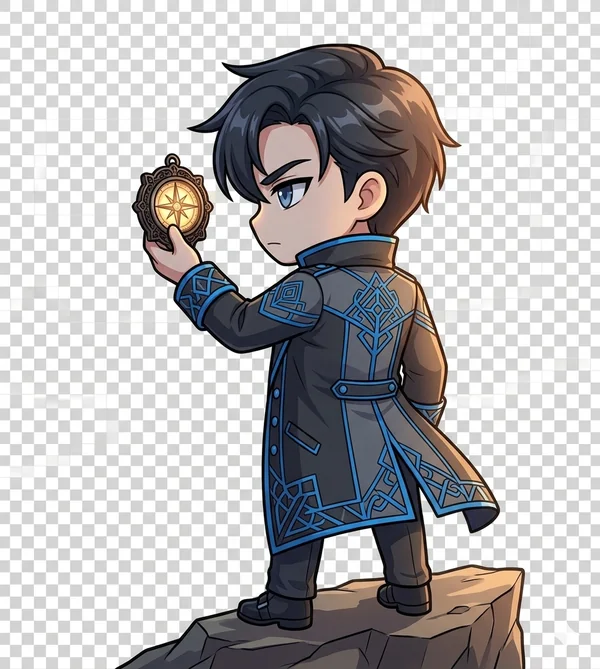
The Empath
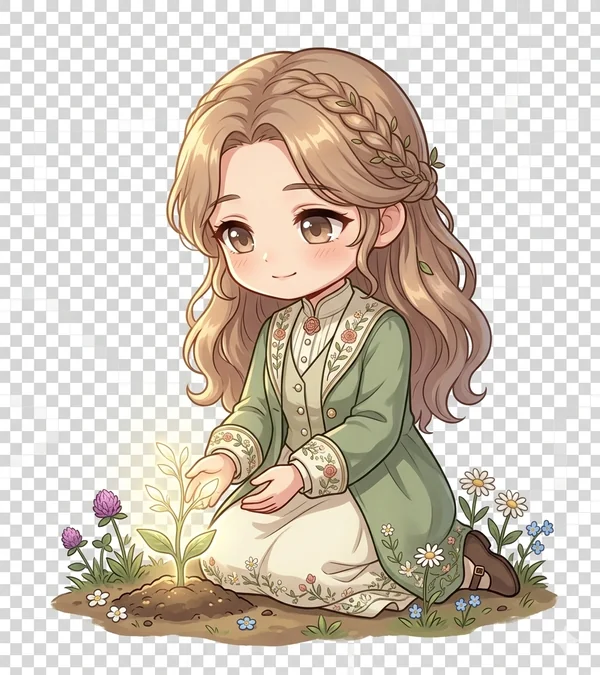
The Empath is the most quietly sensitive archetype in the system — introverted, practical, deeply feeling, and free-spirited in how they move through the world. They experience the world through sensation, beauty, and emotional attunement in ways that most types cannot access. They do not announce themselves; they simply arrive, and the emotional temperature of the room shifts.
Signature strengths
The core challenge
Sensitivity can make the world feel overwhelming. May avoid necessary conflict, struggle to assert their own needs, or retreat inward when what is needed is engagement.
How others experience you
Others experience the Empath as someone who sees them — really sees them. The person whose presence alone has a quality of healing.
Communication style
Deeply attuned, intuitive, and non-confrontational. The Empath communicates through sensitivity and reflection, mirroring back what they sense in others with unusual accuracy. Best approached with: honesty and gentleness. They are extraordinarily accurate at detecting when someone is performing rather than being real — and they close the moment they sense it.
Under pressure
The Empath makes decisions through a felt sense of rightness that operates faster than conscious reasoning and is frequently more accurate. The challenge is distinguishing their own felt sense from the emotional noise of the situation.
Stress response
The Empath under stress absorbs the emotional charge of the environment, which makes their own internal state extremely difficult to read accurately. They often cannot tell whether what they are feeling is theirs or others'. Recovery requires genuine solitude — the only environment where they can accurately locate their own signal.
The shadow side
The shadow Empath becomes The Recluse — so overwhelmed by the world's emotional input that they retreat entirely, avoiding the very connections their nature requires. Under stress they may become moody, passive, or lost in a private world of feeling with no external expression.
Often perceived as fragile or over-sensitive when they are in fact operating as precision instruments in high-signal environments. Their sensitivity is not a malfunction — it is a capacity.
What this does not mean
Being an Empath does not mean you are a victim of other people's emotions or unable to function in challenging environments. It means you receive more data from the emotional field than most people do — and learning to work with that data is the work of your type.
At work
Thrives in the arts, music, design, photography, therapeutic work, veterinary care, and any environment where beauty, care, and authentic human connection are the medium of the work.
Workplace habits
Deeply present, quietly competent, and extraordinarily sensitive to the tone of the working environment. The Empath thrives in beautiful, calm, collaborative workplaces and suffers in harsh, competitive, or emotionally cold ones. They may be underestimated because they do not self-promote — but their quality of work and their care for colleagues is noticed by those who pay attention.
Career paths that fit
In leadership
Lead through example, aesthetic vision, and quiet personal presence. Create environments that inspire through beauty and feeling. Their leadership challenge is the direct confrontation that management sometimes demands — delivering hard truths when silence would be easier.
In relationships
Among the most quietly devoted partners. They show love through presence, thoughtfulness, and an attunement to the unspoken that few other archetypes can match. They need patience, reassurance, and a partner who appreciates depth and does not push them to be more expressive than they are capable of being.
As a romantic partner
The Empath is among the most quietly devoted and sensitively attuned partners. They show love through presence, observation, and a quality of attention that makes their partner feel completely seen. They are not naturally expressive in words but in actions — the detail remembered, the gesture offered before being asked. They need patience, emotional safety, and a partner who appreciates quiet depth over expressive performance.
As a friend
Warm, loyal, and extraordinarily attentive to the unspoken. The Empath's friendships are characterised by genuine care and an unusual capacity to sense what a friend needs before they articulate it. They have a small, deeply-connected social world. May become overwhelmed in large social groups and need recovery time afterward.
As a parent
Among the most emotionally attuned parents — they pick up on their child's feelings before the child has words for them, and they create a home of warmth, beauty, and genuine safety. Their challenge is clarity and structure: the Empath's natural flexibility can leave children without enough predictability and consistent expectation.
Natural allies and growth edges
The Curator (SHEB) brings intellectual challenge and engagement that draws the Empath out of passivity; The Conductor (SGHB) provides the decisive external structure that grounds the Empath's sensitivity.
Growth pairing
Paired with The Vanguard (SGEB): the Vanguard's bold, direct, decisive presence models for the Empath that taking up space — owning your gifts and sharing them clearly — is not aggression. It is contribution.
Commonly mistaken for
Often confused with The Alchemist (EHEF). Key difference: the Empath is grounded in sensory, practical reality; the Alchemist is intuitive and future-oriented. Both feel deeply — the Empath experiences the present moment; the Alchemist imagines what could be.